

How to Support LGBTQ+ Employees at Work: Practical Policies That Make a Difference
A truly inclusive workplace is one where every employee feels respected, valued, and empowered to be themselves. While many organisations have made progress in diversity, equity, and inclusion (DEI), supporting LGBTQ+ employees in the workplace requires more than celebrating Pride Month or adding rainbow logos to marketing materials.
Real inclusion comes from implementing meaningful policies, creating a culture of belonging, and ensuring equal opportunities for everyone, regardless of sexual orientation, gender identity, or gender expression.
When employees feel safe bringing their authentic selves to work, organisations benefit from stronger engagement, better collaboration, increased innovation, and improved retention. This article explores practical policies and best practices employers can adopt to create an inclusive workplace where LGBTQ+ employees can thrive.
Why Supporting LGBTQ+ Employees in the Workplace Matters
An inclusive workplace isn’t just the right thing to do—it also delivers measurable business benefits.
Employees who feel accepted are more likely to:
- Be engaged in their work
- Contribute innovative ideas
- Stay with the company longer
- Build stronger relationships with colleagues
- Recommend the organisation to others
Conversely, workplaces where discrimination or exclusion exists often experience lower morale, higher turnover, and reduced productivity.
Supporting LGBTQ+ employees demonstrates that your organisation values people for their skills, experience, and contributions rather than personal identity.
Create Clear Anti-Discrimination Policies
The foundation of workplace inclusion is a comprehensive anti-discrimination policy that clearly communicates your organization’s commitment to equality and respect. Every employee should understand that discrimination, harassment, or bullying based on sexual orientation, gender identity, gender expression, gender reassignment, or marital and civil partnership status (where applicable) will not be tolerated under any circumstances.
Policies should also outline clear procedures for reporting concerns, ensuring employees know where to seek help and can trust that complaints will be handled promptly, fairly, and confidentially. Managers and HR teams should be trained to respond consistently and appropriately to any reported incidents, reinforcing a culture of accountability.
Regularly reviewing and updating workplace policies helps organisations remain compliant with employment legislation while reflecting evolving best practices in diversity, equity, and inclusion. Clear, well-communicated policies send a strong message that everyone deserves to work in an environment where they feel safe, respected, and valued.
Develop Inclusive Recruitment Practices
Supporting LGBTQ+ employees begins long before someone joins your organisation.
Inclusive recruitment helps attract diverse talent by ensuring every candidate has an equal opportunity to succeed.
Consider the following practices:
- Use inclusive language in job descriptions.
- Avoid gender-coded wording.
- Highlight your commitment to diversity and inclusion.
- Train hiring managers to recognise unconscious bias.
- Standardise interview questions.
- Ensure interview panels represent diverse perspectives.
Candidates often assess employers based on how inclusive the recruitment process feels. Small changes can significantly improve candidate experience.
Offer Equal Benefits for All Employees
Employee benefits should reflect diverse family structures and identities.
Review your benefits to ensure they include:
- Equal parental leave for all families
- Inclusive healthcare options
- Mental health support
- Fertility and family planning benefits
- Coverage for transgender healthcare where available
- Bereavement leave for recognised partners
Benefits should be reviewed regularly to ensure they meet the needs of today’s workforce.
Respect Names and Pronouns
Using an employee’s chosen name and pronouns is one of the simplest yet most meaningful ways to create an inclusive workplace.
Organisations can support this by:
- Allowing employees to update preferred names in internal systems
- Including optional pronouns in email signatures
- Updating HR records efficiently
- Training managers on respectful communication
Mistakes may happen, but organisations should encourage respectful correction and continuous learning.
Provide LGBTQ+ Inclusion Training
Many workplace issues stem from a lack of understanding rather than intentional discrimination.
Regular training can help employees:
- Understand LGBTQ+ terminology
- Recognise unconscious bias
- Respond appropriately to inappropriate behaviour
- Become better allies
- Build inclusive communication skills
Training should extend beyond HR and include leaders, managers, and all employees.
Foster Psychological Safety
Employees should never feel pressured to hide who they are at work.
Psychological safety means employees can:
- Speak openly without fear
- Share ideas confidently
- Report concerns safely
- Be authentic without negative consequences
Managers play a vital role in creating psychologically safe teams by modelling respectful behaviour and addressing inappropriate comments promptly.
Support Employee Resource Groups (ERGs)
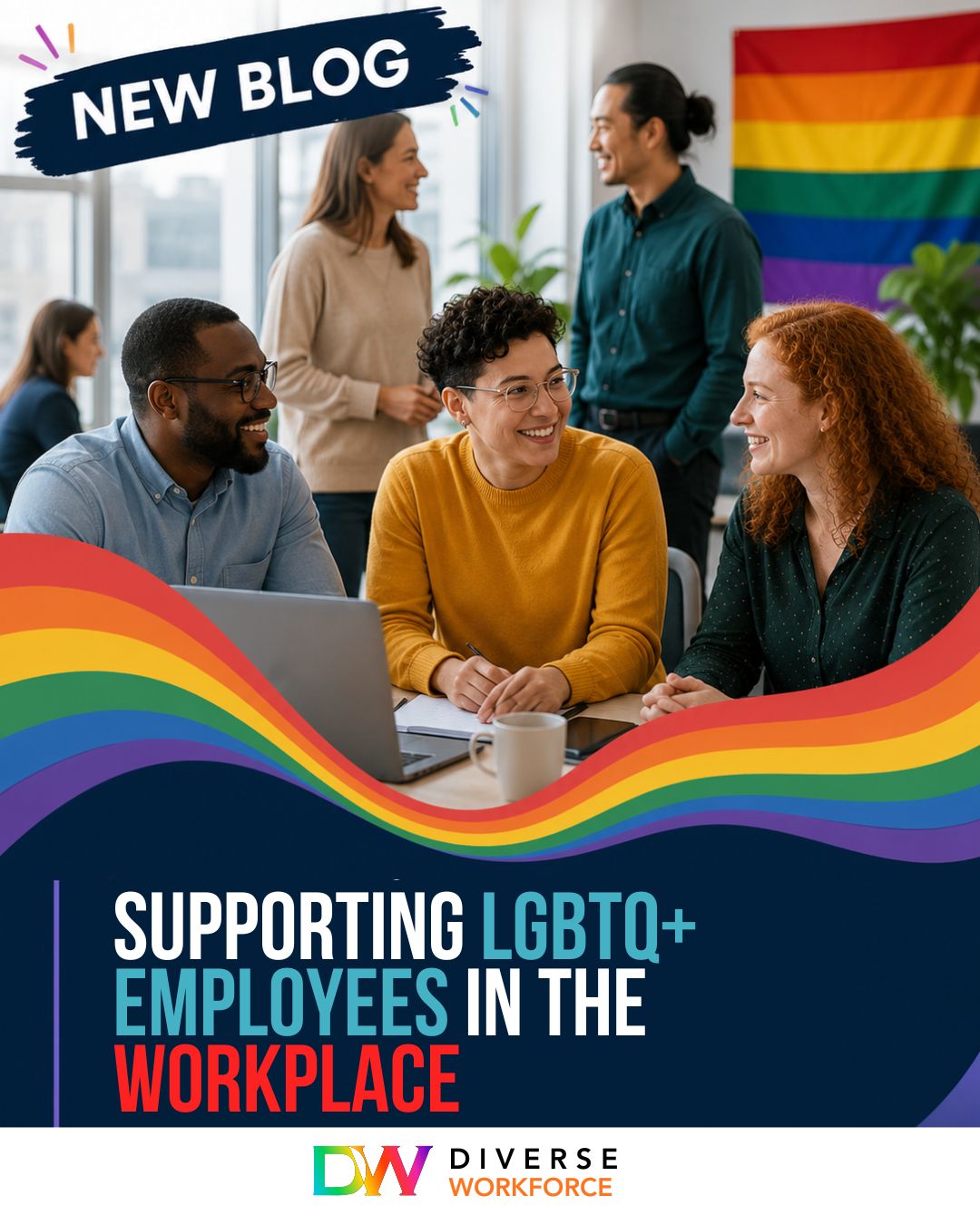
Many organisations establish LGBTQ+ Employee Resource Groups (ERGs) to foster a sense of community, provide support, and create opportunities for employees to connect with colleagues who share similar experiences. These groups offer a safe space for networking, peer support, and open conversations while helping employees feel seen, heard, and valued within the organisation.
Beyond supporting individual employees, ERGs can play an important role in shaping workplace inclusion. They often provide mentoring opportunities, contribute ideas for diversity and inclusion initiatives, organise educational and awareness events, and offer valuable feedback to leadership on policies and workplace culture. Their insights can help organisations identify areas for improvement and develop initiatives that better meet the needs of LGBTQ+ employees.
When actively supported by leadership through funding, visibility, and genuine engagement, Employee Resource Groups become valuable partners in creating a more inclusive, equitable, and welcoming workplace for everyone.
Ensure Inclusive Leadership
Workplace inclusion starts at the top.
Leaders should demonstrate commitment by:
- Speaking openly about inclusion
- Holding managers accountable
- Setting measurable DEI goals
- Listening to employee feedback
- Supporting inclusive workplace initiatives
Employees notice when leadership actively champions inclusion rather than treating it as an HR responsibility alone.
Review Workplace Policies Regularly
Inclusive workplaces evolve over time.
Conduct regular reviews of policies relating to:
- Dress codes
- Flexible working
- Facilities
- Family leave
- Recruitment
- Performance management
- Complaint procedures
Seek feedback from LGBTQ+ employees and inclusion groups to identify opportunities for improvement.
Celebrate Diversity Throughout the Year
While Pride Month is an important opportunity to celebrate LGBTQ+ communities, building an inclusive workplace requires a year-round commitment. Genuine inclusion goes beyond annual campaigns or symbolic gestures and should be reflected in everyday workplace culture and organisational practices.
Employers can demonstrate ongoing support by recognising significant awareness days, sharing educational resources that promote understanding, highlighting diverse employee stories, inviting guest speakers to discuss inclusion and lived experiences, and encouraging allyship initiatives across the organisation. These continuous efforts help foster greater awareness, strengthen relationships among colleagues, and reinforce a culture where everyone feels respected and valued.
Consistent action throughout the year demonstrates authenticity, builds employee trust, and shows that inclusion is a core organisational value rather than a temporary initiative.
Measure Progress
Improving workplace inclusion requires ongoing evaluation.
Organisations can measure success through:
- Employee engagement surveys
- Anonymous inclusion surveys
- Retention rates
- Promotion data
- Recruitment diversity metrics
- Employee feedback
Data helps identify strengths, uncover gaps, and guide future initiatives.
Building a Workplace Where Everyone Belongs
Supporting LGBTQ+ employees in the workplace isn’t about meeting minimum legal requirements—it’s about creating an environment where every individual has the opportunity to succeed. When employees feel safe, respected, and empowered to be their authentic selves, they are more engaged, productive, and motivated to contribute their best work.
Inclusive policies, equitable benefits, respectful leadership, and a culture of belonging help organisations build a truly diverse workforce. By embracing people from different backgrounds, identities, and experiences, employers can attract top talent, foster innovation, strengthen collaboration, and create workplaces where everyone has the opportunity to thrive.
Creating lasting change requires commitment, continuous learning, and meaningful action. Embedding inclusion into everyday workplace practices demonstrates that diversity is not simply acknowledged—it is genuinely valued and supported at every level of the organisation.
Diverse Workforce helps employers connect with talented professionals from underrepresented communities while supporting inclusive hiring practices that strengthen teams and drive long-term business success. Get in touch with our team today to learn how we can help you attract diverse talent and create a more inclusive workplace.